 Explore Maharashtra
Jodhpur's stepwells: ancient water havens in the Thar
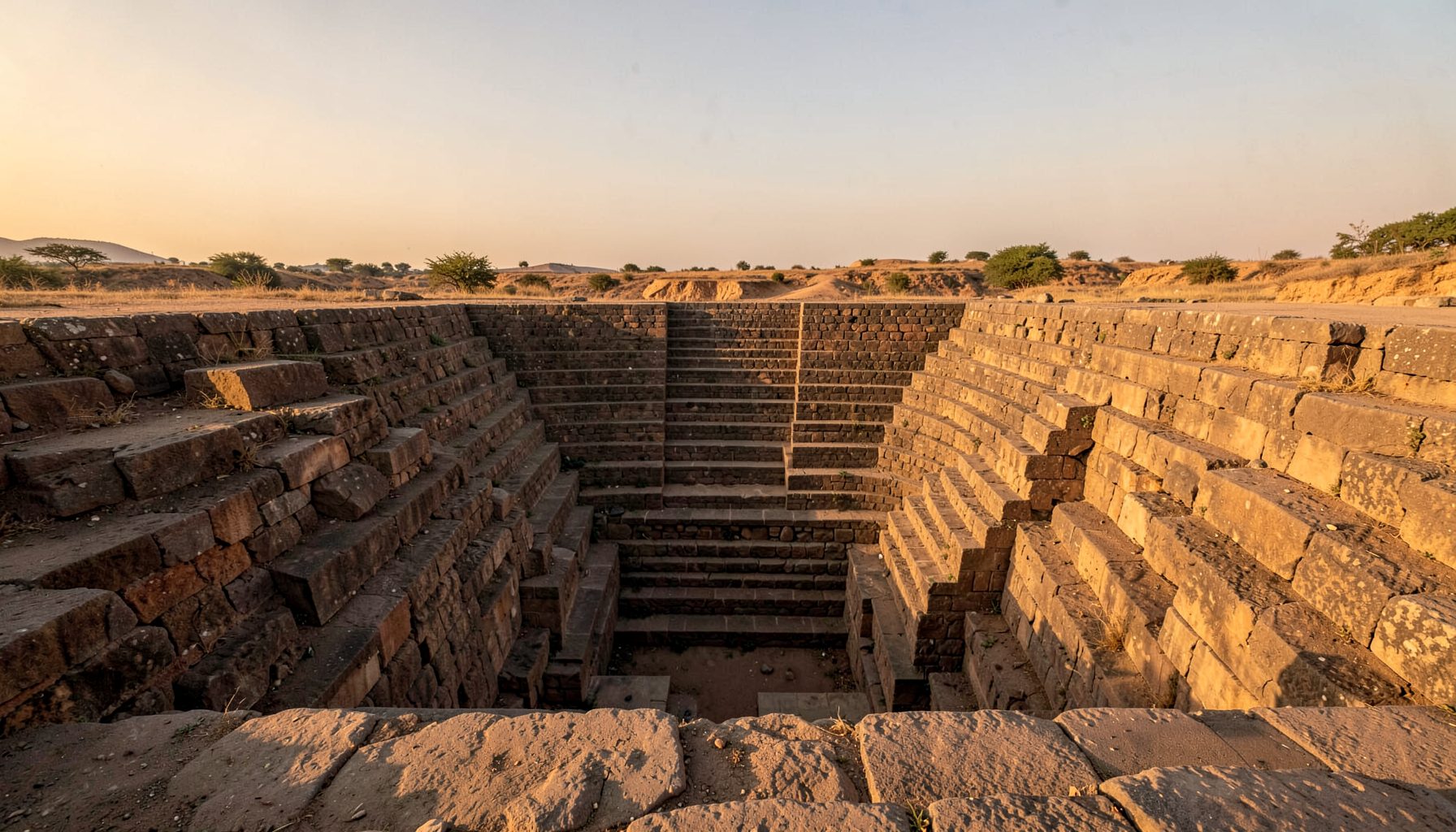
Beneath the scorching sun of western Rajasthan, where the dunes of the Thar Desert stretch toward the horizon, the city of Jodhpur holds a quiet surprise. Stepwells, those centuries-old subterranean water structures, dot the old quarters and countryside around the Blue City, offering far more than a cool drink of groundwater. They reveal a story of ingenuity, faith, and survival written into the very bedrock of the arid landscape.
For travellers planning a heritage-focused trip from Australia, Jodhpur rewards those who wander beyond the ramparts of Mehrangarh Fort. The stepwells here, known locally as baoris or jalas, were once essential watering points for caravans crossing the desert and remain quietly striking places of reflection and engineering brilliance.
Origins of stepwells across the Thar
The tradition of digging stepped wells in Rajasthan stretches back well over a millennium. While the earliest confirmed stepwells in the region emerged between the eighth and tenth centuries, the practice flourished under the Rathore dynasty and various Rajput clans that ruled Marwar, the historical kingdom centred on Jodhpur. Each new ruler added a structure, often dedicating it to a deity, a beloved queen, or a revered saint.
The Thar has always tested human adaptation. Communities along old trade routes needed year-round water sources that did not rely solely on monsoon rain. Stepwells solved the puzzle by tapping into underground aquifers and shielding the water from evaporation. Travellers crossing the same arid corridors today, perhaps drawing parallels with the dry plains near Broken Hill or the opal fields around Coober Pedy, often marvel at how Rajasthanis solved a problem familiar to outback communities everywhere.
Architectural style of Jodhpur's baoris
The stepwells of Jodhpur distinguish themselves from those in Gujarat and other regions through their compact footprint and ornate carving. Where Ahmedabad's famous The Stepwells of Ahmedabad: A Walking Tour showcases multi-storey pavilions flanking deep wells, Jodhpur's structures tend to be more vertical, often descending through a series of beautifully carved sandstone galleries.
The dominant material is the red-yellow sandstone quarried from nearby hills, which gives the city its nickname. Intricate jali screens, geometric patterns, and miniature shrines carved into the walls catch slivers of light from the openings above. The famous Toorji Ka Jhalra, built in the 1740s by a royal consort, features a striking stepped descent interrupted by carved niches and a small Shiva shrine at its base. Mahila Bagh Ka Jhalra, hidden behind a modest doorway off a residential lane, offers a more meditative experience with its symmetrical staircases plunging into green water.
Water engineering in an arid climate
Hydraulic engineers in medieval Rajasthan understood groundwater behaviour long before modern wells were drilled. They located stepwells at points where subterranean streams were likely to flow, sometimes digging trial shafts to confirm the presence of water. The depth of a typical Jodhpur baori ranges from five to fifteen metres, with the water table sitting lower in summer and rising after the brief monsoon.
Multi-tiered steps allowed users to reach water regardless of the season's level, while the surrounding walls kept the well cool. The shaded interior created a microclimate that locals could sit beside even during the worst of the summer heat. Students of heritage engineering may find value in exploring broader principles discussed in Water Conservation Lessons from Ancient Stepwell Technology, which examines how passive cooling, evaporation control, and aquifer recharge shaped these designs.
Australian readers familiar with the engineering of underground homes at Coober Pedy will recognise some familiar thinking. Both places show how people build below ground to escape punishing sun and keep living spaces cool, an approach born of necessity that later became architectural heritage in its own right.
Social and cultural life around the baoris
Stepwells were never purely utilitarian. They functioned as community gathering spots where women drew water, washed clothes, and exchanged news while shielded from prying eyes. In a region where purdah customs restricted female movement, the cool interiors of these wells provided a rare semi-public space where women could socialise freely.
Religious practices also wove themselves into the architecture. Many Jodhpur stepwells feature shrines to Vishnu, Shiva, or local guardian deities, and their waters were considered sacred. Festivals such as Navratri saw processions descend into the wells for ritual ablutions. Stepwell visits were often combined with pilgrimages to temples, creating a sacred geography around water sources. Even today, elders in surrounding villages recall how a particular baori marked the rhythm of weddings, harvests, and seasonal migrations, a role not entirely unlike the parish wells of old European communities, though comparing the burial at Monasterboice shows how sacred sites elsewhere gathered similar layers of meaning around stone.
Threats facing Jodhpur's stepwells
Urban expansion has swallowed baoris in the older parts of Jodhpur, with wells filled in or built over as the city grew. Groundwater depletion from modern borewells has caused several historic wells to dry up completely or become polluted. Encroachment, dumping of waste, and lack of maintenance compound the problem.
Some wells remain privately owned by families whose ancestors commissioned them, but few have the resources to restore crumbling sandstone. State heritage bodies have begun listing important structures, yet funding rarely stretches to full conservation. Australian supporters of heritage causes, perhaps those who have watched debates unfold over sites like Port Arthur or the Richmond Gaol, will recognise the same pattern of competing priorities, tight budgets, and passionate volunteers carrying the load.
Visiting Jodhpur's stepwells today
The good news is that several stepwells in and around Jodhpur remain accessible to visitors. Toorji Ka Jhalra, a short walk from the bustling Sardar Market, has been carefully restored and now sits beside a popular stepwell restaurant where diners can enjoy traditional Rajasthani thalis overlooking the water. Mahila Bagh Ka Jhalra is accessible through a small lane near the Clock Tower, and guided heritage walks led by local researchers can unlock hidden wells that casual tourists often miss.
For Australians planning a journey through Rajasthan, the cooler months from October to March are ideal. Tour operators in Sydney and Melbourne often include Jodhpur in their Rajasthan circuits, and smaller heritage-focused groups departing from Adelaide or Brisbane have begun featuring stepwell visits in their itineraries. Australian travellers, known for their no-fuss approach to adventure, will find the locals welcoming and the heritage walks refreshingly down-to-earth.
Practical guidance for heritage travellers
A few simple preparations help make a stepwell-focused trip smooth and rewarding:
- Fly into Jodhpur via Delhi or Mumbai, or take the comfortable overnight train from Jaipur if you prefer a slower journey.
- Stay in a heritage haveli in the old city to be within walking distance of several baoris.
- Hire a local heritage guide rather than relying on general tourist maps, which rarely mark these wells.
- Carry a reusable water bottle, sunscreen, and a head covering, as desert conditions stay harsh even in winter.
- Support conservation efforts by donating to organisations documenting Rajasthani water heritage.
- Visit at different times of day to see how light transforms the carvings and water colours.
- Combine the trip with visits to Osian's desert stepwells and the ancient wells of Bikaner for a fuller picture.
Get in Touch
Have information about a stepwell that is not yet on our map? We would be glad to document it and give you full credit. Whether it is a Barav, Kund, Vihir, or any other form of stepwell, every contribution helps preserve India's water heritage.
Call or message us with details about the location, and we will follow up.
#9372496819
Send a Message
What People Say
"The Maharashtra Stepwells campaign has brought attention to structures that were nearly forgotten. The architectural documentation and drone photography are invaluable resources for researchers and students alike."
"Collaborating with the Indian Stepwells team gave our architecture students hands-on exposure to traditional water-harvesting structures. The presentations were insightful and inspiring."
"I shared details of a stepwell near my village that was not on any map. The team visited, documented it beautifully, and credited me. It felt wonderful to contribute."