 Explore Maharashtra
Baccarat card values explained for clearer live casino play
Baccarat is one of the simplest table games to learn, yet its compact rules can seem unfamiliar when a player first encounters terms such as banker, player, tie, third-card rule, and punto banco. A clear explanation of the scoring system makes the table easier to follow and helps newcomers understand what each hand represents before placing a wager. This article offers a practical baccarat kaartwaarden uitleg while also considering how online and live casino versions present the game.
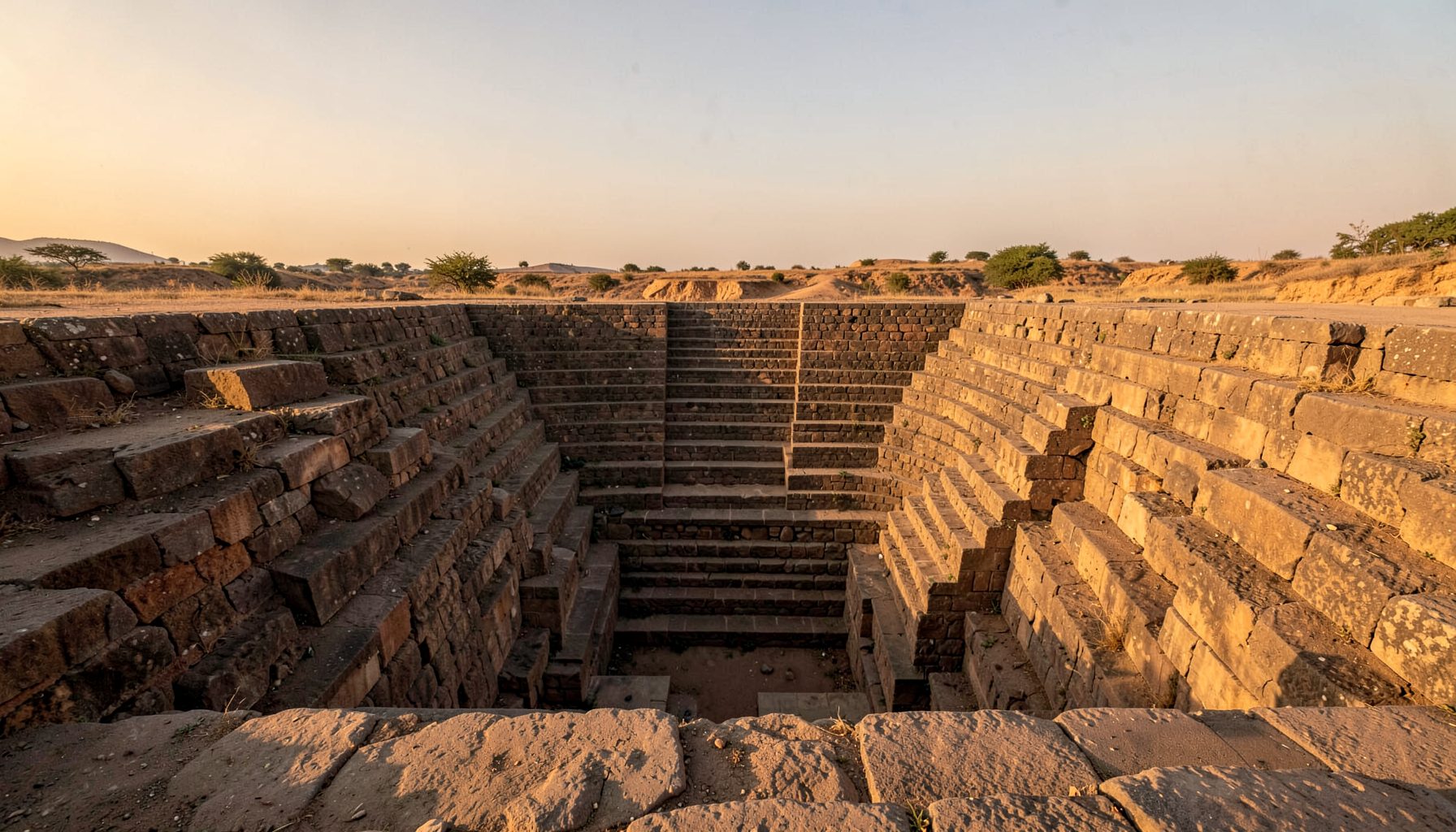
The subject has an unexpected connection with the careful study of historic water architecture. Indian stepwells were designed around proportion, sequence, and practical movement: every level served a purpose, and understanding the structure made the whole design easier to appreciate. The same principle applies at a baccarat table. Once the card values and drawing rules are understood, the game becomes a transparent sequence rather than a confusing stream of dealt cards.
How baccarat card values work
In baccarat, cards from 2 through 9 retain their printed value. A 2 counts as two points, a 7 as seven, and a 9 as nine. Aces count as one point. Tens, jacks, queens, and kings have no numerical value and are treated as zero. This differs from blackjack, where picture cards usually count as ten and can significantly change the total.
The score of a hand is based on the final digit of its total. If the cards add up to 15, the baccarat value is 5. If they total 18, the value is 8. When the combined value reaches 10 or more, the first digit is ignored. A hand consisting of a 7 and an 8 therefore has a score of 5, while a king and a 6 has a score of 6 because the king contributes zero.
This “last digit” approach is the key to understanding baccarat scoring. The highest possible result is 9, and a hand can never have a final value greater than that. Players do not need to perform complicated calculations, since an online casino or live dealer table displays the current totals automatically. Still, knowing the method helps explain why a seemingly strong pair of cards may produce a modest score.
The player and banker hands
Baccarat normally compares two hands: Player and Banker. These names identify the two positions in the game and do not mean that participants personally control the cards. The dealer deals two cards to each hand, then a third card may be added according to fixed rules. The hand closest to 9 wins.
For example, if the Player hand contains a 4 and a 3, its total is 7. If the Banker receives a queen and an 8, its total is 8, because the queen is worth zero. Banker wins that round. If both hands finish with the same score, the result is a tie, subject to the table’s specific payout rules.
The Banker bet is often associated with a lower house edge than the Player bet, but casinos commonly charge a commission on winning Banker wagers. Some online tables use alternative payout structures instead, so the rules should be checked before playing. A tie bet generally offers a higher payout because the outcome is less frequent, though its mathematical house edge is usually much higher.
Those distinctions are useful when comparing online casino platforms. A review of the superbet aplicatie can help Dutch players examine available casino features, live tables, payment options, mobile access, and promotional conditions in one place. Any bonus or game description should be read alongside its terms, including wagering requirements and eligibility restrictions.
When the third card appears
The third-card rules are automatic. Players do not decide whether to draw, and the dealer follows a predetermined chart. This is one reason baccarat feels different from blackjack: there is no personal decision about hitting or standing after the initial deal. The outcome depends on the cards and the established dealing procedure.
If either hand has a natural 8 or 9 after the first two cards, no third card is drawn. When both hands have totals between 0 and 5, the Player hand generally receives a third card. If the Player stands on 6 or 7, the Banker’s action depends on its own score. The Banker may draw or stand according to the Player’s third card and the Banker’s total.
For instance, if the Player draws a 2, the Banker usually draws with a total from 0 through 4 and stands with 6 or 7. The complete table becomes more detailed for Player third cards of 6 or 7, which is why live dealer games show the relevant rule information on screen. These conditions are mechanical rather than strategic choices made during the hand.
Learning the third-card chart can be interesting for players who want to understand the game in depth, but memorising it is not necessary for casual play. Digital tables calculate the result automatically. The important point is that no betting system changes which card will appear, and previous rounds do not influence the next deal.
Why baccarat feels different from other casino games
Baccarat’s appeal comes partly from its pace and limited decision-making. Unlike blackjack, the participant does not choose whether to draw another card. Unlike roulette, the result is based on a comparison between two hands rather than a single wheel outcome. This gives baccarat a calm, structured rhythm that works especially well in live casino environments.
The layout and sequence can also be compared with the logic of traditional stepwells. Historic baolis and vavs were built with repeated architectural stages that guided visitors gradually toward the water. Their geometry was practical, but it also created a memorable visual experience. The Maharashtra campaign documents this kind of regional heritage through photography and field research, showing how structure and function can work together.
A baccarat round follows a similarly ordered path: bets close, two hands are dealt, the totals are calculated, any required third cards appear, and the winning hand is announced. Once players recognise that pattern, the table feels less mysterious. The game’s visual presentation may change between a digital table and a live studio, but the scoring principles remain the same.
For beginners, clarity is more useful than elaborate betting theories. No card-counting method can overcome the built-in mathematical advantage of the house, and streaks do not guarantee that the next round will continue in the same direction. Treating each hand as an independent event supports more realistic expectations.
Choosing an online baccarat table responsibly
Online baccarat may be available in several forms, including an automated digital version, a live dealer table, or a studio game with multiple camera angles. Automated tables tend to move quickly and may suit players who prefer a simple interface. Live baccarat adds a human dealer, streamed cards, and a social atmosphere while preserving the same fixed dealing rules.
Before joining a table, players should review the minimum and maximum stakes, payout details, tie rules, commission on Banker wins, and any side bets. Side wagers can be visually attractive, but they often carry a higher house edge than the main Player or Banker options. A clear knowledge of the payout table is part of understanding the game, just as studying an architectural sketch helps reveal details that a quick glance might miss.
Reliable information about historic water systems also shows the value of documenting details accurately. The relationship between old stepwells and present-day conservation is explored in research on modern rainwater systems, where traditional design principles are considered alongside contemporary needs. In baccarat, accurate information serves a similar purpose: it allows players to distinguish the actual rules from myths about lucky cards or guaranteed strategies.
Gambling should remain an entertainment expense, not a way to solve financial problems. Players should be of legal age, set a spending limit before playing, and avoid chasing losses. Breaks are useful when a session becomes frustrating, and platform tools such as deposit limits, time reminders, and self-exclusion can support safer habits. Understanding baccarat card values makes the game easier to follow, but it does not remove the element of chance.
Get in Touch
Have information about a stepwell that is not yet on our map? We would be glad to document it and give you full credit. Whether it is a Barav, Kund, Vihir, or any other form of stepwell, every contribution helps preserve India's water heritage.
Call or message us with details about the location, and we will follow up.
#9372496819
Send a Message
What People Say
"The Maharashtra Stepwells campaign has brought attention to structures that were nearly forgotten. The architectural documentation and drone photography are invaluable resources for researchers and students alike."
"Collaborating with the Indian Stepwells team gave our architecture students hands-on exposure to traditional water-harvesting structures. The presentations were insightful and inspiring."
"I shared details of a stepwell near my village that was not on any map. The team visited, documented it beautifully, and credited me. It felt wonderful to contribute."